
Jump to content
Sorbact supports Antimicrobial Stewardship

Respond to the rise of antimicrobial resistance with Sorbact

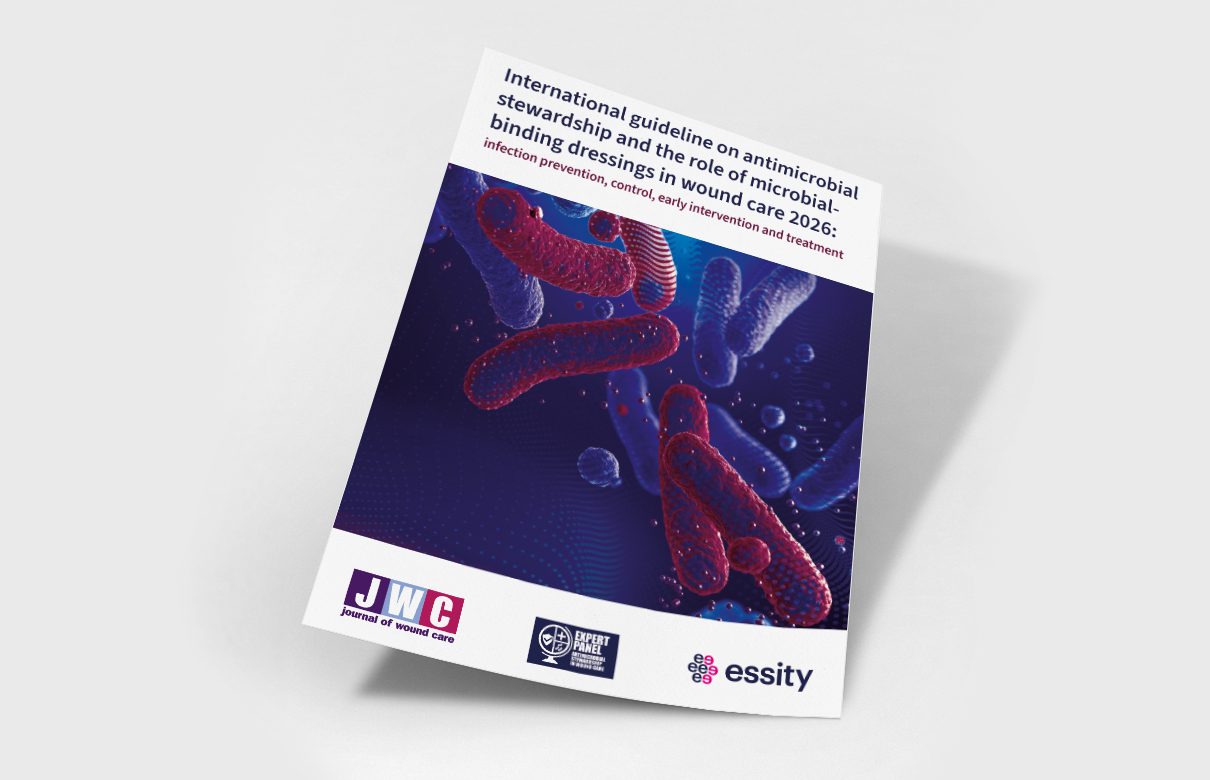
The whole world has woken up to the challenge of antimicrobial resistance (AMR). Without effective tools for prevention and adequate treatment of infections, the number of people for whom treatment is failing will increase. If we continue to overuse antibiotics, we won’t have anything to manage infection of any type. Antimicrobial Stewardship (AMS) initiatives offer an opportunity to reduce the rate of AMR. Sorbact Technology dressings can form a valuable part of your AMS strategy and may lower the use of antibiotics in wound infection management.

Watch this video and learn how Sorbact dressings support AMS

This video was produced for Essity by BBC StoryWorks Commercial Productions, as part of a series presented by MedTech Europe.

Using Sorbact as an approach to prevent and treat infection in both acute and hard-to-heal wounds supports AMS[1]View reference information

This review article presents evidence that supports the integration of dressings that act in a physical manner as an alternative approach to prevent and/or treat infection in wounds. These dressings do not contribute to AMR and support AMS.[2]View reference information

Sorbact reduces the bioburden without antimicrobial agents

Sorbact Technology effectively prevents and treats wound infection across all ages, from sensitive children to elderly. Developed with a physical mode of action, bacteria irreversibly bind to the DACC™-coated surface and are safely removed. Evidence presents an antibacterial effect without the release of active substances, and therefore antimicrobial resistance is not expected. Sorbact Technology dressings deliver powerful, safe and effective wound infection management for the advancement of patient well-being.

Sorbact is effective against the Top 5 WHO pathogens

In vitro tests showed that Sorbact DACC™-coated bacteria-binding wound dressing was able to inhibit the growth of all the WHO priority pathogens tested[3]View reference information:

  • Acinetobacter baumannii
  • Pseudomonas aeruginosa
  • Enterobacteriaceae (ESBL)
  • Enterococcus faecium (VRE)
  • Staphylococcus aureus (MRSA)

EWMA supports AMS

The overall aim of the AMS initiatives is to reduce inappropriate use of antibiotics by promoting, facilitating and teaching the use of antibiotic alternatives in wound management across all healthcare settings.

The European Wound Management Association (EWMA) supports AMS by providing practical recommendations for optimizing antimicrobial therapy for the treatment of wound infection. The evidence on Sorbact aligns with EWMA recommendations and supports AMS in wound treatment.[4]View reference information

Read more

References

  1. Rippon MG et al. Antimicrobial stewardship strategies in wound care: evidence to support the use of dialkylcarbamoyl chloride (DACC)-coated wound dressings. J Wound Care. 2021;30:284–296.

    External link to reference1 (Opens in new tab) Back
  2. Rippon MG et al. Antimicrobial stewardship strategies in wound care: evidence to support the use of dialkylcarbamoyl chloride (DACC)-coated wound dressings. J Wound Care. 2021;30:284–296.

    External link to reference2 (Opens in new tab) Back
  3. Husmark J et al. Antimicrobial effects of bacterial binding to a dialkylcarbamoyl chloride-coated wound dressing: an in vitro study. J Wound Care. 2022;31:560-570.

    External link to reference3 (Opens in new tab) Back
  4. Rippon MG et al. Antimicrobial stewardship strategies in wound care: evidence to support the use of dialkylcarbamoyl chloride (DACC)-coated wound dressings. J Wound Care. 2021;30:284–296.

    External link to reference4 (Opens in new tab) Back