Efficacy of dialkylcarbamoylchloride-coated dressing in management of colonized or infected neonatal and pediatric wounds
Author: Boyar V.
Publication: J Wound Ostomy Continence Nurs. 2016;43(4):547-550.



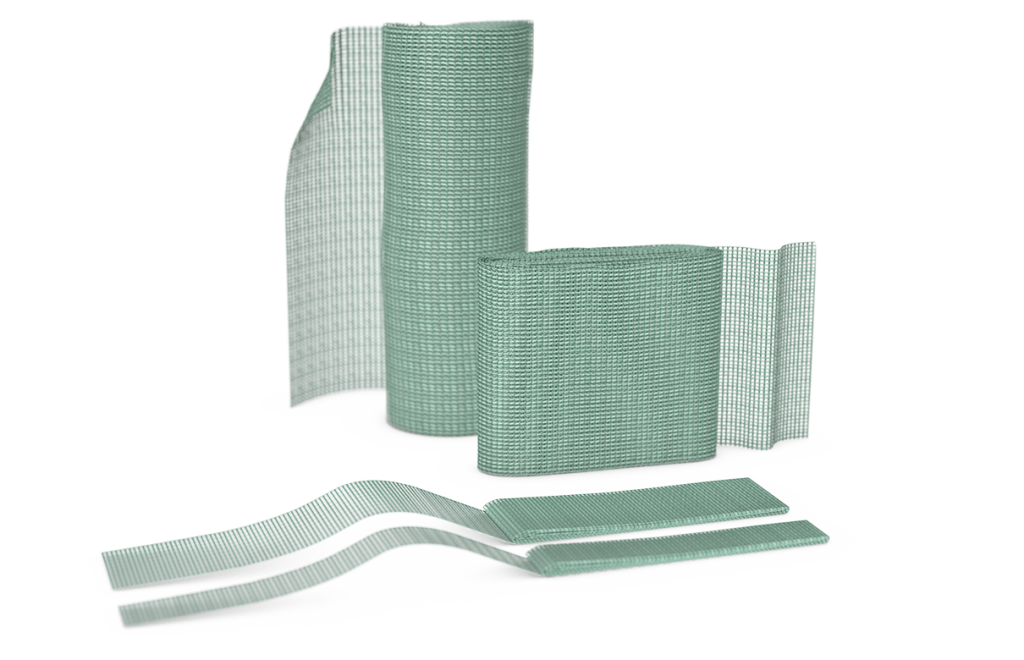
Sorbact Ribbon is a DACC™-coated bacteria and fungi binding ribbon gauze, based on Sorbact Technology. Sorbact Ribbon prevents and treats wound infections[1]View reference information [2]View reference information and facilitates the wound healing process. It is suitable as a wound filler and allows passage of wound exudate into a secondary dressing. Sorbact Ribbon can also be placed in skin folds to treat fungal infections (intertrigo).[3]View reference information
Sorbact Ribbon is intended for use in management of clean, contaminated, colonized or infected exuding wounds, such as surgical wounds, traumatic wounds, pressure ulcers, diabetic foot ulcers and leg ulcers. Sorbact Ribbon can be used on superficial and deep wounds such as cavity wounds and fistulas. Sorbact Ribbon is also intended to treat fungal infections in skin folds (intertrigo).[4]View reference information


Superficial + Deep
For detailed product information, contraindications, precautions and warnings, please read the applicable Instructions for Use (IFU) prior to use.

Prepare the wound and surrounding skin according to local clinical practice.

Select an appropriate dressing size for the wound. The dressing may overlap the wound margins if needed.

Remove the dressing from the peel pouch using an aseptic technique.

If needed, cut across the dressing using an aseptic technique. Do not cut over the wound. Discard any unused dressing.

Apply the dressing. Ensure that the dressing comes into direct contact with the complete wound surface to allow microorganisms to bind to the dressing. In cavities or fistulas, avoid dense packing. Always leave a part of the dressing outside the cavity/fistula for easy removal. If the dressing is cut, always leave the cut end outside the wound to avoid residual threads.

Apply a secondary dressing appropriate for the exudate level such as a foam dressing, absorbent pad or gelling fiber dressing, and fixate.

The dressing change frequency depends on exudate levels and the overall condition of the wound and surrounding skin. Should the clinical condition allow, the dressing can be left in place for up to 7 days. Should the dressing adhere to the wound, moisten the dressing to assist removal and to avoid disruption of wound bed and surrounding tissue.

Sorbact Ribbon can be used in conjunction with compression therapy.
Sorbact Ribbon is MRI safe. Sorbact Ribbon does not contain x-ray thread. Prior to radiation therapy, remove Sorbact Ribbon if placed in the radiation field. A new dressing can be applied following treatment.

| Size | Pieces per pack | Reference number |
|---|---|---|
| 1 × 50 cm | 10 | 98115-10 |
| 2 × 50 cm | 10 | 98116-10 |
| 5 × 200 cm | 10 | 98120 |
| 10 × 200 cm | 10 | 98119 |
Author: Boyar V.
Publication: J Wound Ostomy Continence Nurs. 2016;43(4):547-550.
Author: Romain B et al.
Publication: BJS Open. 2020;4(2):225-231.
Author: Kammerlander G et al.
Publication: Wounds UK. 2008;4(2):10-18.
A package leaflet is an official document that summarizes the characteristics of a medical device product, how it works and how it should be used. Always read the package leaflet before using the product.
When a package leaflet is updated, it will take some time before all previous packages has run out of stock and been replaced with the new ones. On the website, however, the new leaflet is published immediately, you can be sure that you will always find the latest information about your product here on the website.
Stanirowski PJ et al. Randomized controlled trial evaluating dialkylcarbamoyl chloride impregnated dressings for the prevention of surgical site infections in adult women undergoing cesarean section. Surg Infect (Larchmt). 2016;17:427-435.
External link to reference1 (Opens in new tab) BackKammerlander G et al. An investigation of Cutimed Sorbact as an antimicrobial alternative in wound management. Wounds UK. 2008;4:10-18.
External link to reference2 (Opens in new tab) BackJohansson A et al. Open study on the topical treatment of interdigital fungal infections in diabetic patients. J Wound Care. 2009;18:470-473.
External link to reference3 (Opens in new tab) BackJohansson A et al. Open study on the topical treatment of interdigital fungal infections in diabetic patients. J Wound Care. 2009;18:470-473.
External link to reference4 (Opens in new tab) BackVisitors
Abigo Medical AB – an Essity Company
Mölndals Bro 2
SE-431 30 Mölndal
Sweden
Postal address
Abigo Medical AB – an Essity Company
SE-405 03 Gothenburg
Sweden
Manufacturing site
Abigo Medical AB – an Essity Company
Vapenvägen 1
SE-696 33 Askersund
Sweden
www.essity.com (Opens in new tab)
Contact
Tel: +46 31 748 49 50
Fax: +46 31 68 39 51
Email: info@sorbact.com
In this market, Sorbact is sold by Essity under the brand names:
Cutimed Sorbact ▪ Cutimed Sorbion Sorbact ▪ Cutimed Siltec Sorbact ▪ Leukomed Sorbact
For more information, visit essity.com/company/essity-in-the-world
Local contact details are currently unavailable.
In this market, Sorbact is sold by Essity under the brand names:
Cutimed Sorbact ▪ Cutimed Sorbion Sorbact ▪ Cutimed Siltec Sorbact ▪ Leukomed Sorbact
For more information, visit essity.com/company/essity-in-the-world
Local contact details are currently unavailable.
In this market, Sorbact is sold by Essity under the brand names:
Cutimed Sorbact ▪ Cutimed Sorbion Sorbact ▪ Cutimed Siltec Sorbact ▪ Leukomed Sorbact
For questions or feedback, please reach out to local representatives.
Tel: 1300 276 633
Email: customerservice.au@essity.com
In this market, Sorbact is sold by Essity under the brand names:
Cutimed Sorbact ▪ Cutimed Sorbion Sorbact ▪ Cutimed Siltec Sorbact ▪ Leukomed Sorbact
For more information, visit essity.com/company/essity-in-the-world
Local contact details are currently unavailable.
In this market, Sorbact is sold by Essity under the brand names:
Cutimed Sorbact ▪ Cutimed Sorbion Sorbact ▪ Cutimed Siltec Sorbact ▪ Leukomed Sorbact
For more information, visit essity.com/company/essity-in-the-world
Local contact details are currently unavailable.
In this market, Sorbact is sold by Essity under the brand names:
Cutimed Sorbact ▪ Cutimed Sorbion Sorbact ▪ Cutimed Siltec Sorbact ▪ Leukomed Sorbact
For more information, visit essity.com/company/essity-in-the-world
Local contact details are currently unavailable.
In this market, Sorbact is sold by Essity under the brand names:
Cutimed Sorbact ▪ Cutimed Sorbion Sorbact ▪ Cutimed Siltec Sorbact ▪ Leukomed Sorbact
For more information, visit essity.com/company/essity-in-the-world
Local contact details are currently unavailable.
In this market, Sorbact is sold by Essity under the brand names:
Cutimed Sorbact ▪ Cutimed Sorbion Sorbact ▪ Cutimed Siltec Sorbact ▪ Leukomed Sorbact
For more information, visit essity.com/company/essity-in-the-world
Local contact details are currently unavailable.
In this market, Sorbact is sold by Essity under the brand names:
Cutimed Sorbact ▪ Cutimed Sorbion Sorbact ▪ Cutimed Siltec Sorbact ▪ Leukomed Sorbact
For more information, visit essity.com/company/essity-in-the-world
Local contact details are currently unavailable.
In this market, Sorbact is sold by Essity under the brand names:
Cutimed Sorbact ▪ Cutimed Sorbion Sorbact ▪ Cutimed Siltec Sorbact ▪ Leukomed Sorbact
For more information, visit essity.com/company/essity-in-the-world
Local contact details are currently unavailable.
In this market, Sorbact is sold by Essity under the brand names:
Cutimed Sorbact ▪ Cutimed Sorbion Sorbact ▪ Cutimed Siltec Sorbact ▪ Leukomed Sorbact
For more information, visit essity.com/company/essity-in-the-world
Local contact details are currently unavailable.
In this market, Sorbact is sold by Essity under the brand names:
Cutimed Sorbact ▪ Cutimed Sorbion Sorbact ▪ Cutimed Siltec Sorbact ▪ Leukomed Sorbact
For more information, visit essity.com/company/essity-in-the-world
Local contact details are currently unavailable.
In this market, Sorbact is sold by Essity under the brand names:
Cutimed Sorbact ▪ Cutimed Sorbion Sorbact ▪ Cutimed Siltec Sorbact ▪ Leukomed Sorbact
For more information, visit essity.com/company/essity-in-the-world
Local contact details are currently unavailable.
In this market, Sorbact is sold by Essity under the brand names:
Cutimed Sorbact ▪ Cutimed Sorbion Sorbact ▪ Cutimed Siltec Sorbact ▪ Leukomed Sorbact
For more information, visit essity.com/company/essity-in-the-world
Local contact details are currently unavailable.
In this market, Sorbact is sold by Essity under the brand names:
Cutimed Sorbact ▪ Cutimed Sorbion Sorbact ▪ Cutimed Siltec Sorbact ▪ Leukomed Sorbact
For more information, visit essity.com/company/essity-in-the-world
Local contact details are currently unavailable.
In this market, Sorbact is sold by Essity under the brand names:
Cutimed Sorbact ▪ Cutimed Sorbion Sorbact ▪ Cutimed Siltec Sorbact ▪ Leukomed Sorbact
For more information, visit essity.com/company/essity-in-the-world
Local contact details are currently unavailable.
In this market, Sorbact is sold by Essity under the brand names:
Cutimed Sorbact ▪ Cutimed Sorbion Sorbact ▪ Cutimed Siltec Sorbact ▪ Leukomed Sorbact
For more information, visit essity.com/company/essity-in-the-world
Local contact details are currently unavailable.
In this market, Sorbact is sold by Essity under the brand names:
Cutimed Sorbact ▪ Cutimed Sorbion Sorbact ▪ Cutimed Siltec Sorbact ▪ Leukomed Sorbact
For more information, visit essity.com/company/essity-in-the-world
Local contact details are currently unavailable.
In this market, Sorbact is sold by Essity under the brand names:
Cutimed Sorbact ▪ Cutimed Sorbion Sorbact ▪ Cutimed Siltec Sorbact ▪ Leukomed Sorbact
For questions or feedback, please reach out to local representatives.
Tel: 00420 221 706 111
Email: medical.cz@essity.com
Essity Czech Republic s.r.o.
Sokolovská 100/94
186 08 Praha 8
If you have any questions about Sorbact, please contact your local representative.
Essity Denmark A/S
Gydevang 33
DK-3450 Allerød
Danmark
Tel: +45 48 16 82 20
Email: kundeservice.dk@essity.com
In this market, Sorbact is sold by Essity under the brand names:
Cutimed Sorbact ▪ Cutimed Sorbion Sorbact ▪ Cutimed Siltec Sorbact ▪ Leukomed Sorbact
For more information, visit essity.com/company/essity-in-the-world
Local contact details are currently unavailable.
In this market, Sorbact is sold by Essity under the brand names:
Cutimed Sorbact ▪ Cutimed Sorbion Sorbact ▪ Cutimed Siltec Sorbact ▪ Leukomed Sorbact
For more information, visit essity.com/company/essity-in-the-world
Local contact details are currently unavailable.
In this market, Sorbact is sold by Essity under the brand names:
Cutimed Sorbact ▪ Cutimed Sorbion Sorbact ▪ Cutimed Siltec Sorbact ▪ Leukomed Sorbact
For more information, visit essity.com/company/essity-in-the-world
Local contact details are currently unavailable.
In this market, Sorbact is sold by Essity under the brand names:
Cutimed Sorbact ▪ Cutimed Sorbion Sorbact ▪ Cutimed Siltec Sorbact ▪ Leukomed Sorbact
For more information, visit essity.com/company/essity-in-the-world
Local contact details are currently unavailable.
In this market Sorbact is sold by OneMed OÜ.
If you have any questions about Sorbact, please contact your local representative.
OneMed OÜ
Veerenni 38
Tallinn 10138
Estonia
Tel: +372 6503 630
Email: tellimus@onemed.com
In this market Sorbact is sold by Oy Verman Ab.
If you have any questions about Sorbact, please contact your local representative.
Oy Verman Ab
PL 164
01511 Vantaa
Tel: +358 (09) 279 8020
Email: info@verman.fi
In this market Sorbact is sold by Inresa FR.
If you have any questions about Sorbact, please contact your local representative.
Inresa FR
Tel: +33 3 89 70 76 60
Email: pharma@inresa.fr
In this market, Sorbact is sold by Essity under the brand names:
Cutimed Sorbact ▪ Cutimed Sorbion Sorbact ▪ Cutimed Siltec Sorbact ▪ Leukomed Sorbact
For more information, visit essity.com/company/essity-in-the-world
Local contact details are currently unavailable.
In this market, Sorbact is sold by Essity under the brand names:
Cutimed Sorbact ▪ Cutimed Sorbion Sorbact ▪ Cutimed Siltec Sorbact ▪ Leukomed Sorbact
For questions or feedback, please reach out to local representatives.
Essity
BSN medical GmbH
Schützenstr. 1-3
22761 Hamburg
Email: info@medical.essity.de
In this market, Sorbact is sold by Essity under the brand names:
Cutimed Sorbact ▪ Cutimed Sorbion Sorbact ▪ Cutimed Siltec Sorbact ▪ Leukomed Sorbact
For more information, visit essity.com/company/essity-in-the-world
Local contact details are currently unavailable.
In this market, Sorbact is sold by Essity under the brand names:
Cutimed Sorbact ▪ Cutimed Sorbion Sorbact ▪ Cutimed Siltec Sorbact ▪ Leukomed Sorbact
For more information, visit essity.com/company/essity-in-the-world
Local contact details are currently unavailable.
In this market, Sorbact is sold by Essity under the brand names:
Cutimed Sorbact ▪ Cutimed Sorbion Sorbact ▪ Cutimed Siltec Sorbact ▪ Leukomed Sorbact
For more information, visit essity.com/company/essity-in-the-world
Local contact details are currently unavailable.
In this market, Sorbact is sold by Essity under the brand names:
Cutimed Sorbact ▪ Cutimed Sorbion Sorbact ▪ Cutimed Siltec Sorbact ▪ Leukomed Sorbact
For more information, visit essity.com/company/essity-in-the-world
Local contact details are currently unavailable.
In this market, Sorbact is sold by Essity under the brand names:
Cutimed Sorbact ▪ Cutimed Sorbion Sorbact ▪ Cutimed Siltec Sorbact ▪ Leukomed Sorbact
For more information, visit essity.com/company/essity-in-the-world
Local contact details are currently unavailable.
In this market, Sorbact is sold by Essity under the brand names:
Cutimed Sorbact ▪ Cutimed Sorbion Sorbact ▪ Cutimed Siltec Sorbact ▪ Leukomed Sorbact
For more information, visit essity.com/company/essity-in-the-world
Local contact details are currently unavailable.
In this market, Sorbact is sold by Essity under the brand names:
Cutimed Sorbact ▪ Cutimed Sorbion Sorbact ▪ Cutimed Siltec Sorbact ▪ Leukomed Sorbact
For more information, visit essity.com/company/essity-in-the-world
Local contact details are currently unavailable.
In this market, Sorbact is sold by Essity under the brand names:
Cutimed Sorbact ▪ Cutimed Sorbion Sorbact ▪ Cutimed Siltec Sorbact ▪ Leukomed Sorbact
For more information, visit essity.com/company/essity-in-the-world
Local contact details are currently unavailable.
In this market, Sorbact is sold by Essity under the brand names:
Cutimed Sorbact ▪ Cutimed Sorbion Sorbact ▪ Cutimed Siltec Sorbact ▪ Leukomed Sorbact
For more information, visit essity.com/company/essity-in-the-world
Local contact details are currently unavailable.
In this market, Sorbact is sold by Essity under the brand names:
Cutimed Sorbact ▪ Cutimed Sorbion Sorbact ▪ Cutimed Siltec Sorbact ▪ Leukomed Sorbact
For more information, visit essity.com/company/essity-in-the-world
Local contact details are currently unavailable.
In this market, Sorbact is sold by Essity under the brand names:
Cutimed Sorbact ▪ Cutimed Sorbion Sorbact ▪ Cutimed Siltec Sorbact ▪ Leukomed Sorbact
For more information, visit essity.com/company/essity-in-the-world
Local contact details are currently unavailable.
In this market, Sorbact is sold by Essity under the brand names:
Cutimed Sorbact ▪ Cutimed Sorbion Sorbact ▪ Cutimed Siltec Sorbact ▪ Leukomed Sorbact
For more information, visit essity.com/company/essity-in-the-world
Local contact details are currently unavailable.
In this market, Sorbact is sold by Essity under the brand names:
Cutimed Sorbact ▪ Cutimed Sorbion Sorbact ▪ Cutimed Siltec Sorbact ▪ Leukomed Sorbact
For questions or feedback, please reach out to local representatives.
Essity Italy Spa
Via Salvatore Quasimodo 14
20225 Legnano (Mi)
Tel: +39 848 800 159
Email: cutimed.formazione@essity.com
In this market, Sorbact is sold by Essity under the brand names:
Cutimed Sorbact ▪ Cutimed Sorbion Sorbact ▪ Cutimed Siltec Sorbact ▪ Leukomed Sorbact
For more information, visit essity.com/company/essity-in-the-world
Local contact details are currently unavailable.
In this market Sorbact is sold by Century Medical Inc. CMI.
If you have any questions about Sorbact, please contact your local representative.
In this market, Sorbact is sold by Essity under the brand names:
Cutimed Sorbact ▪ Cutimed Sorbion Sorbact ▪ Cutimed Siltec Sorbact ▪ Leukomed Sorbact
For more information, visit essity.com/company/essity-in-the-world
Local contact details are currently unavailable.
In this market, Sorbact is sold by Essity under the brand names:
Cutimed Sorbact ▪ Cutimed Sorbion Sorbact ▪ Cutimed Siltec Sorbact ▪ Leukomed Sorbact
For more information, visit essity.com/company/essity-in-the-world
Local contact details are currently unavailable.
In this market, Sorbact is sold by Essity under the brand names:
Cutimed Sorbact ▪ Cutimed Sorbion Sorbact ▪ Cutimed Siltec Sorbact ▪ Leukomed Sorbact
For more information, visit essity.com/company/essity-in-the-world
Local contact details are currently unavailable.
In this market Sorbact is sold by OneMed SIA.
If you have any questions about Sorbact, please contact your local representative.
OneMed SIA
Darzciema 56A
LV-1073 Riga
Latvia
Tel: +370 686 54805
Email: riga@onemed.com
In this market, Sorbact is sold by Essity under the brand names:
Cutimed Sorbact ▪ Cutimed Sorbion Sorbact ▪ Cutimed Siltec Sorbact ▪ Leukomed Sorbact
For more information, visit essity.com/company/essity-in-the-world
Local contact details are currently unavailable.
In this market Sorbact is sold by OneMed UAB.
If you have any questions about Sorbact, please contact your local representative.
OneMed UAB
Perkunkiemio g 4A-505B
LT-12128 Vilnius
Lithuania
Tel: +370 686 54805
Email: vilnius@onemed.com
In this market, Sorbact is sold by Essity under the brand names:
Cutimed Sorbact ▪ Cutimed Sorbion Sorbact ▪ Cutimed Siltec Sorbact ▪ Leukomed Sorbact
For more information, visit essity.com/company/essity-in-the-world
Local contact details are currently unavailable.
In this market, Sorbact is sold by Essity under the brand names:
Cutimed Sorbact ▪ Cutimed Sorbion Sorbact ▪ Cutimed Siltec Sorbact ▪ Leukomed Sorbact
For more information, visit essity.com/company/essity-in-the-world
Local contact details are currently unavailable.
In this market, Sorbact is sold by Essity under the brand names:
Cutimed Sorbact ▪ Cutimed Sorbion Sorbact ▪ Cutimed Siltec Sorbact ▪ Leukomed Sorbact
For more information, visit essity.com/company/essity-in-the-world
Local contact details are currently unavailable.
In this market, Sorbact is sold by Essity under the brand names:
Cutimed Sorbact ▪ Cutimed Sorbion Sorbact ▪ Cutimed Siltec Sorbact ▪ Leukomed Sorbact
For more information, visit essity.com/company/essity-in-the-world
Local contact details are currently unavailable.
In this market, Sorbact is sold by Essity under the brand names:
Cutimed Sorbact ▪ Cutimed Sorbion Sorbact ▪ Cutimed Siltec Sorbact ▪ Leukomed Sorbact
For questions or feedback, please reach out to local representatives.
Tel: (55) 5482-5400 ext. 9101
Email: news.mx@medical.essity.com
In this market, Sorbact is sold by Essity under the brand names:
Cutimed Sorbact ▪ Cutimed Sorbion Sorbact ▪ Cutimed Siltec Sorbact ▪ Leukomed Sorbact
For more information, visit essity.com/company/essity-in-the-world
Local contact details are currently unavailable.
In this market, Sorbact is sold by Essity under the brand names:
Cutimed Sorbact ▪ Cutimed Sorbion Sorbact ▪ Cutimed Siltec Sorbact ▪ Leukomed Sorbact
For more information, visit essity.com/company/essity-in-the-world
Local contact details are currently unavailable.
In this market, Sorbact is sold by Essity under the brand names:
Cutimed Sorbact ▪ Cutimed Sorbion Sorbact ▪ Cutimed Siltec Sorbact ▪ Leukomed Sorbact
For more information, visit essity.com/company/essity-in-the-world
Local contact details are currently unavailable.
In this market, Sorbact is sold by Essity under the brand names:
Cutimed Sorbact ▪ Cutimed Sorbion Sorbact ▪ Cutimed Siltec Sorbact ▪ Leukomed Sorbact
For questions or feedback, please reach out to local representatives.
Tel: 0031 30 69 84 700
Email
– product information: wondzorg.nl@medical.essity.com
– ordering information: medical.cs.nl@essity.com
In this market, Sorbact is sold by Essity under the brand names:
Cutimed Sorbact ▪ Cutimed Sorbion Sorbact ▪ Cutimed Siltec Sorbact ▪ Leukomed Sorbact
For questions or feedback, please reach out to local representatives.
Tel: 0508 276 111
Email: customerservice.nz@essity.com
In this market, Sorbact is sold by Essity under the brand names:
Cutimed Sorbact ▪ Cutimed Sorbion Sorbact ▪ Cutimed Siltec Sorbact ▪ Leukomed Sorbact
For more information, visit essity.com/company/essity-in-the-world
Local contact details are currently unavailable.
In this market, Sorbact is sold by Essity under the brand names:
Cutimed Sorbact ▪ Cutimed Sorbion Sorbact ▪ Cutimed Siltec Sorbact ▪ Leukomed Sorbact
For more information, visit essity.com/company/essity-in-the-world
Local contact details are currently unavailable.
If you have any questions about Sorbact, please contact your local representative.
Essity Norway AS
Fredrik Selmers vei 6
0663 Oslo
Norge
Tel: +47 22 70 62 00
Email: sorbact.sorbact@essity.com
In this market, Sorbact is sold by Essity under the brand names:
Cutimed Sorbact ▪ Cutimed Sorbion Sorbact ▪ Cutimed Siltec Sorbact ▪ Leukomed Sorbact
For more information, visit essity.com/company/essity-in-the-world
Local contact details are currently unavailable.
In this market, Sorbact is sold by Essity under the brand names:
Cutimed Sorbact ▪ Cutimed Sorbion Sorbact ▪ Cutimed Siltec Sorbact ▪ Leukomed Sorbact
For more information, visit essity.com/company/essity-in-the-world
Local contact details are currently unavailable.
In this market, Sorbact is sold by Essity under the brand names:
Cutimed Sorbact ▪ Cutimed Sorbion Sorbact ▪ Cutimed Siltec Sorbact ▪ Leukomed Sorbact
For more information, visit essity.com/company/essity-in-the-world
Local contact details are currently unavailable.
In this market, Sorbact is sold by Essity under the brand names:
Cutimed Sorbact ▪ Cutimed Sorbion Sorbact ▪ Cutimed Siltec Sorbact ▪ Leukomed Sorbact
For more information, visit essity.com/company/essity-in-the-world
Local contact details are currently unavailable.
In this market, Sorbact is sold by Essity under the brand names:
Cutimed Sorbact ▪ Cutimed Sorbion Sorbact ▪ Cutimed Siltec Sorbact ▪ Leukomed Sorbact
For more information, visit essity.com/company/essity-in-the-world
Local contact details are currently unavailable.
In this market, Sorbact is sold by Essity under the brand names:
Cutimed Sorbact ▪ Cutimed Sorbion Sorbact ▪ Cutimed Siltec Sorbact ▪ Leukomed Sorbact
For more information, visit essity.com/company/essity-in-the-world
Local contact details are currently unavailable.
In this market, Sorbact is sold by Essity under the brand names:
Cutimed Sorbact ▪ Cutimed Sorbion Sorbact ▪ Cutimed Siltec Sorbact ▪ Leukomed Sorbact
For more information, visit essity.com/company/essity-in-the-world
Local contact details are currently unavailable.
In this market, Sorbact is sold by Essity under the brand names:
Cutimed Sorbact ▪ Cutimed Sorbion Sorbact ▪ Cutimed Siltec Sorbact ▪ Leukomed Sorbact
For questions or feedback, please reach out to local representatives.
Tel: 800 108 108
Email: atencionalprofesional@essity.com
In this market, Sorbact is sold by Essity under the brand names:
Cutimed Sorbact ▪ Cutimed Sorbion Sorbact ▪ Cutimed Siltec Sorbact ▪ Leukomed Sorbact
For more information, visit essity.com/company/essity-in-the-world
Local contact details are currently unavailable.
In this market, Sorbact is sold by Essity under the brand names:
Cutimed Sorbact ▪ Cutimed Sorbion Sorbact ▪ Cutimed Siltec Sorbact ▪ Leukomed Sorbact
For more information, visit essity.com/company/essity-in-the-world
Local contact details are currently unavailable.
In this market, Sorbact is sold by Essity under the brand names:
Cutimed Sorbact ▪ Cutimed Sorbion Sorbact ▪ Cutimed Siltec Sorbact ▪ Leukomed Sorbact
For more information, visit essity.com/company/essity-in-the-world
Local contact details are currently unavailable.
In this market, Sorbact is sold by Essity under the brand names:
Cutimed Sorbact ▪ Cutimed Sorbion Sorbact ▪ Cutimed Siltec Sorbact ▪ Leukomed Sorbact
For more information, visit essity.com/company/essity-in-the-world
Local contact details are currently unavailable.
In this market, Sorbact is sold by Essity under the brand names:
Cutimed Sorbact ▪ Cutimed Sorbion Sorbact ▪ Cutimed Siltec Sorbact ▪ Leukomed Sorbact
For more information, visit essity.com/company/essity-in-the-world
Local contact details are currently unavailable.
In this market, Sorbact is sold by Essity under the brand names:
Cutimed Sorbact ▪ Cutimed Sorbion Sorbact ▪ Cutimed Siltec Sorbact ▪ Leukomed Sorbact
For more information, visit essity.com/company/essity-in-the-world
Local contact details are currently unavailable.
In this market Sorbact is sold by Juthis Corporation.
If you have any questions about Sorbact, please contact your local representative.
Juthis Corporation
4F, 8, Seoun-ro,
Seocho-gu, Seoul
Republic of Korea (06734)
Tel: +47 22 70 62 00
Email: gjkim@juthis.com
In this market, Sorbact is sold by Essity under the brand names:
Cutimed Sorbact ▪ Cutimed Sorbion Sorbact ▪ Cutimed Siltec Sorbact ▪ Leukomed Sorbact
For more information, visit essity.com/company/essity-in-the-world
Local contact details are currently unavailable.
In this market, Sorbact is sold by Essity under the brand names:
Cutimed Sorbact ▪ Cutimed Sorbion Sorbact ▪ Cutimed Siltec Sorbact ▪ Leukomed Sorbact
For questions or feedback, please reach out to local representatives.
Tel: 900 121 012
Email: atencionalprofesional@essity.com
In this market, Sorbact is sold by Essity under the brand names:
Cutimed Sorbact ▪ Cutimed Sorbion Sorbact ▪ Cutimed Siltec Sorbact ▪ Leukomed Sorbact
For more information, visit essity.com/company/essity-in-the-world
Local contact details are currently unavailable.
In this market, Sorbact is sold by Essity under the brand names:
Cutimed Sorbact ▪ Cutimed Sorbion Sorbact ▪ Cutimed Siltec Sorbact ▪ Leukomed Sorbact
For more information, visit essity.com/company/essity-in-the-world
Local contact details are currently unavailable.
If you have any questions about Sorbact, please contact your local representative.
Abigo Medical AB – an Essity Company
Mölndals Bro 2
SE-431 30 Mölndal
Sweden
Tel: +46 31 748 49 50
Email: info@sorbact.se
In this market, Sorbact is sold by Essity under the brand names:
Cutimed Sorbact ▪ Cutimed Sorbion Sorbact ▪ Cutimed Siltec Sorbact ▪ Leukomed Sorbact
For more information, visit essity.com/company/essity-in-the-world
Local contact details are currently unavailable.
In this market, Sorbact is sold by Essity under the brand names:
Cutimed Sorbact ▪ Cutimed Sorbion Sorbact ▪ Cutimed Siltec Sorbact ▪ Leukomed Sorbact
For more information, visit essity.com/company/essity-in-the-world
Local contact details are currently unavailable.
In this market, Sorbact is sold by Essity under the brand names:
Cutimed Sorbact ▪ Cutimed Sorbion Sorbact ▪ Cutimed Siltec Sorbact ▪ Leukomed Sorbact
For more information, visit essity.com/company/essity-in-the-world
Local contact details are currently unavailable.
In this market, Sorbact is sold by Essity under the brand names:
Cutimed Sorbact ▪ Cutimed Sorbion Sorbact ▪ Cutimed Siltec Sorbact ▪ Leukomed Sorbact
For more information, visit essity.com/company/essity-in-the-world
Local contact details are currently unavailable.
In this market, Sorbact is sold by Essity under the brand names:
Cutimed Sorbact ▪ Cutimed Sorbion Sorbact ▪ Cutimed Siltec Sorbact ▪ Leukomed Sorbact
For more information, visit essity.com/company/essity-in-the-world
Local contact details are currently unavailable.
In this market, Sorbact is sold by Essity under the brand names:
Cutimed Sorbact ▪ Cutimed Sorbion Sorbact ▪ Cutimed Siltec Sorbact ▪ Leukomed Sorbact
For more information, visit essity.com/company/essity-in-the-world
Local contact details are currently unavailable.
In this market, Sorbact is sold by Essity under the brand names:
Cutimed Sorbact ▪ Cutimed Sorbion Sorbact ▪ Cutimed Siltec Sorbact ▪ Leukomed Sorbact
For questions or feedback, please reach out to local representatives.
Email: concierge.service@essity.com
In this market, Sorbact is sold by Essity under the brand names:
Cutimed Sorbact ▪ Cutimed Sorbion Sorbact ▪ Cutimed Siltec Sorbact ▪ Leukomed Sorbact
For more information, visit essity.com/company/essity-in-the-world
Local contact details are currently unavailable.
In this market, Sorbact is sold by Essity under the brand names:
Cutimed Sorbact ▪ Cutimed Sorbion Sorbact ▪ Cutimed Siltec Sorbact ▪ Leukomed Sorbact
For questions or feedback, please reach out to local representatives.
In this market, Sorbact is sold by Essity under the brand names:
Cutimed Sorbact ▪ Cutimed Sorbion Sorbact ▪ Cutimed Siltec Sorbact ▪ Leukomed Sorbact
For more information, visit essity.com/company/essity-in-the-world
Local contact details are currently unavailable.
In this market, Sorbact is sold by Essity under the brand names:
Cutimed Sorbact ▪ Cutimed Sorbion Sorbact ▪ Cutimed Siltec Sorbact ▪ Leukomed Sorbact
For more information, visit essity.com/company/essity-in-the-world
Local contact details are currently unavailable.